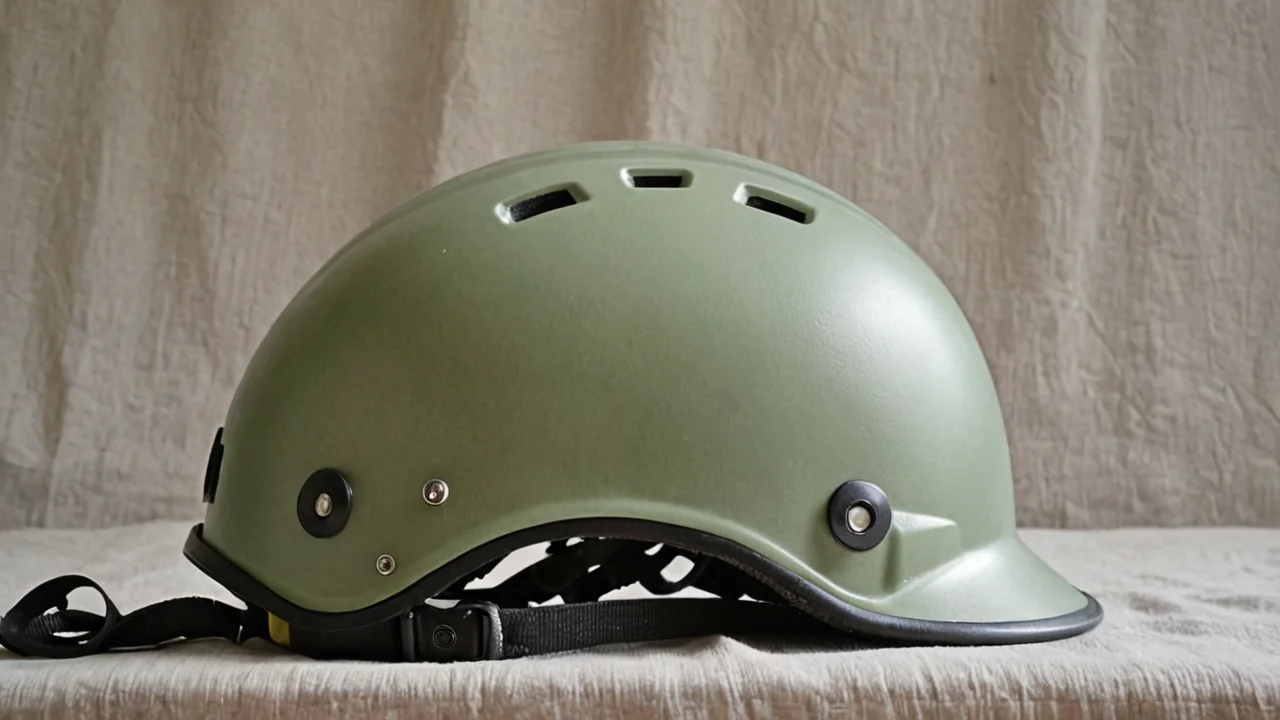
When you hear about climbing, your first thought might be pure athleticism—the sheer strength required to ascend vertical rock faces. But even on a seemingly benign overhang, an unexpected piece of falling debris or a partner slipping off a higher ledge can turn that impressive climb into a dangerous situation; this is precisely why selecting the right climbing helmet is not negotiable.
Understanding the Sport
If you are asking what rock climbing actually is, it is much more than just physical brawn. At its core, rock climbing is an intricate blend of athletic prowess, problem-solving, and technical knowledge. It requires a climber to navigate natural or artificial vertical surfaces using specialized gear and inherent ability. For many people seeking out the activity, the draw lies in this mental component; it involves analyzing routes, predicting movement sequences, and managing fear. Regarding its official status, rock climbing is indeed an olympic sport, which speaks volumes about its global acceptance and structured nature within competitive athletics.
For those new to the concept, knowing how to get into rock climbing usually means starting at a local indoor facility; these gyms provide controlled environments where you can learn fundamental techniques without having to deal with the variability of natural terrain. The initial stages are about mastering basic movements and understanding proper gear usage. Understanding that it is an activity embraced by many people—whether they are just exploring physical activity or seeking deeper challenge—is key. It’s a sport, yes, but more importantly, it’s a highly adaptable physical discipline.
Physical Conditioning
Many beginners wonder if rock climbing constitutes a good workout, and the answer is an emphatic yes. It is not merely about finger strength; it engages nearly every muscle group in a dynamic way. The entire body works together: your core stability is constantly tested as you shift weight from one point of contact to another, maintaining balance on precarious footholds. Your back and shoulders are heavily involved in pulling yourself up, while the gripping action required for holds builds incredible forearm and hand endurance.
Beyond just brute strength, climbing dramatically improves proprioception—your body's ability to sense its position in space. This level of sensory feedback is highly demanding and provides a full-body conditioning routine that few other activities match because it forces constant micro-adjustments. The scientific study and application of psychological principles to sport, exercise, and physical activity—what we call sports psychology—is increasingly relevant here, as managing the fear associated with heights and failure is often as challenging as the climb itself. Climbing becomes a measurable test not just of muscle mass, but of mental fortitude.
Helmet Selection Criteria
When selecting a helmet, do not treat it like another piece of gear you can buy cheaply; it must be viewed as crucial safety equipment that dictates your physical safety in the event of an unexpected fall or impact. The primary criteria are protection and fit. You need something designed specifically for climbing impacts, meaning it must handle directional forces coming from falling objects or high falls hitting a ledge. Weight is also a consideration—you don't want to wear something so heavy that it becomes a detriment during long days of climbing.
A quality helmet will typically feature adjustable suspension systems and materials engineered to dissipate impact energy efficiently. Look closely at the shell material; different polymers offer varying levels of resilience against specific types of impacts. Furthermore, the fit must be meticulous. A helmet that feels slightly loose can shift on your head during a dynamic fall, compromising its ability to protect critical areas. Never rely solely on aesthetics; check the certification standards and ensure it meets current industry safety benchmarks.
It is also worth noting the trade-off between features and simplicity. Some helmets offer integrated lighting or specialized venting, which can be helpful but sometimes adds weight and complexity. For most purposes, prioritizing a secure, lightweight fit with proven impact dispersion technology offers the best combination of protection and comfort for consistent use.
Proper Attire Guidelines
Knowing what to wear when you start rock climbing is critical because your clothing choices directly affect mobility and safety. The goal of any gear selection should always be to allow unrestricted movement while providing durable coverage in areas prone to abrasion or impact. You need technical clothing—nothing overly bulky, restricting the natural range of motion of your shoulders or hips.
For pants, quick-drying material is ideal because you will sweat heavily and want anything that dries fast after incidental water exposure. Tops should be breathable but also durable enough to handle friction against rough rock surfaces if you are climbing outdoors. Shoes, naturally, are the most specialized piece of gear; they must provide excellent grip, precise foot placement feedback, and be comfortable enough for repeated use across varied textures. Remember that even proper attire requires attention to detail—making sure no edges of clothing snag on holds or restrict movement is part of the process.
Helmet Fit Details
The fit of the helmet must feel secure but not constricting; you should be able to wear it for hours without experiencing excessive pressure points, particularly around the temples or forehead. When trying a model on, ensure that when your chin is tucked up, the helmet sits level and does not wobble side-to-side. Many brands offer different sizes based on head circumference measurements, so take precise measurements rather than relying on guesswork.
Another crucial point to consider during the fitting process relates to facial clearance. The helmet must allow for unrestricted vision and should accommodate any eyewear you might wear, whether that is sunglasses or safety glasses. If your vision is compromised by an ill-fitting brim or a bulky chin guard (if applicable), the utility of the helmet is significantly diminished. Always use the helmet with the type of climbing harness and belay system you intend to use so that there are no mechanical conflicts between pieces of gear.
Safety Maintenance Practices
Finally, understanding the maintenance aspects of your helmet prevents catastrophic failure when you need it most. A helmet is not a set-it-and-forget-it item; it needs regular inspection. Always check for signs of impact damage even if the helmet appears superficially fine; an unseen crack or structural compromise can drastically reduce its protective rating. If you ever take part in any fall, no matter how minor, that specific piece of safety equipment should be retired from active duty.
Furthermore, understand the limitations of your gear. No single item provides 100% protection against every conceivable hazard; climbing requires a layered approach to risk management. This includes knowing your physical limits and adhering strictly to safety protocols taught by experienced guides or instructors. The discipline required in handling equipment—from checking knots on ropes to ensuring screws are properly tightened on anchors—is as vital as the athletic skill itself, making smart gear selection an integral part of being a responsible climber.
Hard-shell, foam, or hybrid: what the shell actually does
Match the helmet construction to the climbing you actually do, not the climbing you aspire to. The three families behave differently on rockfall, on a factor-two fall that slams you into the wall, and on your neck at hour six.
Hard-shell helmets use a rigid ABS plastic shell over an expanded polystyrene or expanded polypropylene foam liner. The shell spreads the load of a sharp or pointy impact across a wider area of foam, which matters on chossy alpine terrain where the falling object is a stone rather than a smooth weight. They survive being stuffed into a pack or scraped along a chimney far better than foam-only shells. The cost is weight and bulk, and the rigid shell gives you no give against a side impact when you swing into a corner.
Foam-only helmets put the foam on the outside, usually expanded polypropylene bonded to a thin polycarbonate carrier. The foam deforms on contact, which is good against a single hard strike, but every scrape and every drop onto gravel nibbles at the protective layer itself. Buy one and you have bought a piece of gear you must handle gently in the pack. They are the lightest option and the most comfortable to wear all day, which is why they dominate sport and trad.
Hybrids — foam liner with a thin partial shell over the crown — split the difference. You get the lightweight fit and the extra resistance to a sharp edge impact where it is most likely. The trade-off is price and a slightly busier construction with more places for the shell to crack loose from the liner.
The mistake to notice in yourself: buying the lightest foam helmet for alpine rock because the specs look good in the shop, then discovering you are terrified to set it down on granite. A helmet you treat like a fragile object is a helmet you stop trusting.
Reading the standards and the certification label
A climbing helmet without a visible certification mark is a fashion item. Before you pay, look inside the shell for the standard the helmet was tested to, and check that the standard covers the hazard you are buying for. Climbing helmets are tested for impact from above, for penetration, and for the retention system holding on your head during a fall — the marks will list these.
Two things go wrong here more than any other. First, buying a bike or ski helmet because it fits better in the shop. Bike helmets are tested for a single high-speed impact and are not designed for the repeated smaller impacts and downward penetration that rockfall produces, and their extended rear shape can catch on a pack or a wall. Ski helmets add warmth and a heavy shell you will regret on a summer route. Neither is a substitute.
Second, buying a used helmet or accepting a hand-me-down. The foam liner degrades invisibly, and you cannot see the history of a second-hand lid — a single drop onto tarmac can start a crack you will never spot. The honest calculation is that the price difference between a used helmet and a new one is small next to the cost of a hospital stay, and you have no way to verify the used one's past. Buy new, from a shop that will show you the certification label inside the shell.
Check the label again after a few seasons. If the helmet has been in a hot car repeatedly, or stored in a garage through a freeze-thaw cycle, the foam can become brittle. You will not see this. You will notice it only when the helmet feels like it has gone slightly hard or the liner has started to separate from the shell — that is your cue to replace it rather than ride it out.
Fit, retention, and the sequence that makes it work
Fit comes before features. Measure your head circumference with a soft tape just above the eyebrows and around the widest point at the back, then buy to that measurement rather than to the size printed on the shell. A helmet that is too large will not be made safe by tightening the dial; the dial only snugs the retention cradle, and the shell still sits high and can roll back off your forehead in a fall.
The fitting sequence that actually works:
- Put the helmet on with the retention dial backed off, and set the front edge so it sits just above the eyebrows — low enough to protect the forehead, high enough that it does not blind you when you look up at the next hold.
- Tighten the rear dial until the shell grips without pressure points. You should be able to shake your head side to side and feel the helmet move with your scalp, not rattle around it.
- Adjust the chin strap so that when you open your mouth wide, you feel the strap pull down slightly. That is the correct tension — loose enough to talk, tight enough that the helmet cannot be pushed back off your head.
- Tuck your chin and push up hard on the front rim. A correctly fitted helmet should not tip back far enough to expose the crown of your head.
Two edge conditions catch people out. Glasses: the retention cradle and the shell rim must not press on the arms of your sunglasses, or you will spend the day with a headache and a helmet that has crept out of position. Long hair: tie it low and check that the cradle is not riding on a bun, which lifts the shell and defeats the fit. And if you wear a beanie under the helmet in cold weather, refit the dial and strap for the extra thickness rather than assuming the summer fit still holds.
Finally, replace the helmet after any impact that you would describe as a real knock — a dropped stone that dents the shell, a fall where your head hits the wall, a helmet that has been crushed in a pack. The foam has done its job once. It does not do it twice, and there is no test you can run at home to prove it still will.