For tackling rock climbing, you can choose between a structured indoor approach focusing on artificial routes and consistent gym time, or an outdoor guided experience immediately taking you to natural rock faces. I would pick the outdoor guided experience first. While the gym is invaluable for building foundational strength and technique—and you absolutely must spend time in one—nothing compares to the feel of genuine rock and the immediate immersion that comes with a professional guide setting the stage outside.
Understand what rock climbing truly is
At its core, rock climbing is an athletic endeavor defined by the physical puzzle of moving from point A to point B using only friction, strength, and balance against natural vertical surfaces. It requires far more than just upper body pulling power; it is a full-body engagement that demands intense problem-solving and spatial awareness. Unlike other sports where the objective might be scoring points or maintaining distance, the goal of climbing is pure progression—finding the optimal sequence of moves to reach the next handhold or foothold while conserving enough energy for what comes after.
When people ask if rock climbing is a sport, the answer is complex. It certainly operates within competitive frameworks, such as the Olympic recognition it now holds, but its essence is inherently athletic and exploratory. You could say it is more of an extreme sport that demands skills ranging from bouldering (climbing short, difficult routes without ropes) to roped lead climbing, all under the umbrella of physical mastery. The process of figuring out a route—the beta—is often more mentally taxing than the physical act itself. This fusion of mental strategy and raw athleticism is what makes it so addictive.
You need to understand that there are different disciplines within this single activity. Bouldering, for instance, is about short bursts of maximum effort on low rock formations, requiring incredible finger strength and power endurance. Top-roping involves being secured by a rope managed by a belayer while climbing a route already protected with bolts, which is the safest way to learn. Finally, lead climbing—the most committing form—requires you to place protection (like cams or nuts) into the rock as you ascend, managing both your body weight and the safety system simultaneously. Understanding these distinctions is key because your gear requirements shift dramatically based on whether you are falling a few feet onto a crash pad or hanging hundreds of feet by a single piece of protected anchor.
The major trade-off here is that while climbing offers unparalleled physical benefits, it has steep initial learning curves and carries inherent risk. You cannot treat it like an aerobic routine; every move must be deliberate because the margin for error can be slim, especially when dealing with high falls or compromised gear. Because of this complexity, you should never attempt to learn these skills alone.
Prepare your body for the challenge
If you are wondering if rock climbing is a good workout, the answer is an emphatic yes, but it’s not just about bulk muscles; it works the entire kinetic chain. It is a full-body systemic workout that engages everything from grip strength and forearm endurance to core stability, hip flexors, and even the psychological resilience required for sustained effort. You will notice your forearms developing significantly, but proper training focuses on keeping the load balanced so you don't develop specific overuse injuries.
The physical demands of climbing mean that a general fitness routine is necessary groundwork. Focus heavily on core stability—planks and rotational movements are excellent because they teach you how to keep your hips square and stable while your arms and legs are doing the heavy lifting. You also need flexibility, particularly in your ankles and hips, which helps maintain efficient foot placement.
However, focusing solely on brute strength is a mistake. Climbing success often comes down to efficiency of movement and minimizing energy expenditure—this is where understanding proper technique becomes vital. A beginner might try to pull themselves up using pure bicep power when the optimal move requires shifting their weight slightly to use their core and hip muscles more effectively, saving those biceps for the next difficult reach. Learning these efficient movements takes time and guided practice.
One critical limitation is that while climbing builds incredible strength, it can exacerbate existing weaknesses if you are not careful. If you have a history of wrist issues or elbow tendonitis, starting too aggressively on hard routes without proper physical therapy or warm-up will only make the problem worse. Always build up your volume and difficulty slowly; listen to your body’s signals about overuse before pushing through the pain.
Gather essential gear for every session
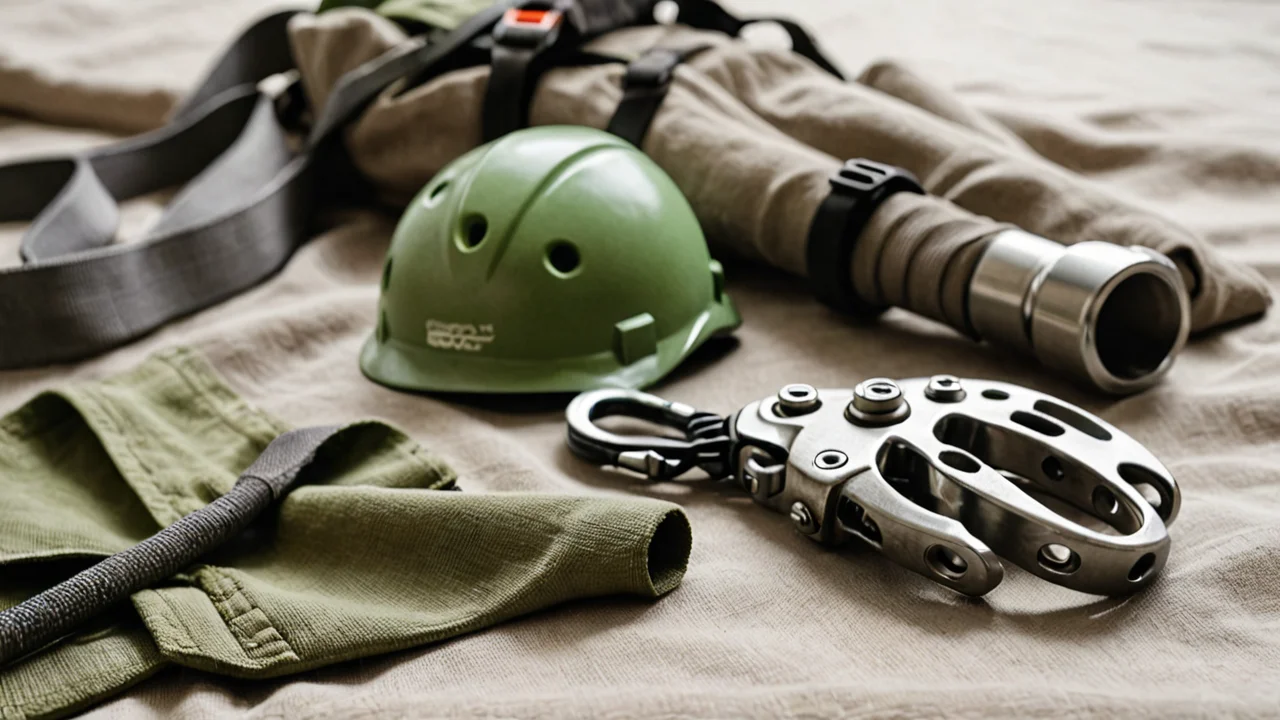
The absolute core components of climbing safety and performance are a good pair of specialized shoes, a harness, a chalk bag with chalk, and a reliable rope system. Do not skimp on any of these items because they represent your direct link between you and the rock.
- Climbing Shoes: These must fit like a glove; they should be snug enough that your toes feel restricted but never so tight that they cut off circulation, which is dangerous. The rubber soles provide maximum friction on varied textures of rock. When buying shoes, try different brands and models because every foot shape is unique, and what works for one person might hurt another.
- Harness: This item simply secures you to the rope via your waist or legs; it should sit comfortably without digging in. Always check the stitching and webbing material before use.
- Rope/Belay Device: These items are non-negotiable for anything beyond bouldering, as they manage your safety fall. The belay device is what arrests a fall, and the rope is what gives the arresting force. Never rely on equipment that has been used in a high-stress situation without thorough inspection beforehand.
- Chalk: This absorbs sweat from your hands, which otherwise compromises friction—the single most important factor in climbing. It’s an inexpensive item whose necessity cannot be overstated.
The biggest trade-off when buying gear is the shoe fit versus performance level. Shoes that feel amazing and give you maximum edge grip often sacrifice comfort or durability; conversely, shoes that are comfortable for long days can lose crucial grip on subtle edges. You must find a balance point based on your current ability—if you are still learning technique, prioritize comfort; if you are highly experienced, you might risk more aggressive, specialized footwear.
Master the fundamentals of starting out
Starting rock climbing requires three things: instruction, proper gear (as listed above), and a partner. Do not attempt to go outside or even into a gym without at least one day with an instructor who can teach you knot tying, belay techniques, and basic falling protocol. This is paramount because knowing how to safely arrest a fall is the most critical skill before touching the rock.
When you first start, focus exclusively on getting comfortable moving your body weight across varied surfaces. Spend time in bouldering areas initially; this low-stakes environment lets you experiment with foot placements and overhanging movements without the added stress of ropes or heights. This allows you to build fundamental confidence.
Your initial goal should not be reaching the top of a route, but rather successfully completing five consecutive moves using varying types of grips—a crimp here, a sloper there, a jug over there. The physical exhaustion will come naturally as your muscles adapt to working against gravity in new ways.
A common mistake beginners make is thinking they must be physically strong already; this is false. You are meant to feel weak and awkward at first. The process of learning how to use your feet—using tiny placements on small footholds rather than just pulling with your hands—is what builds true climbing strength, not simply lifting weights in a gym.
Plan for long-term progression
Getting into rock climbing is an ongoing commitment that involves physical maintenance and mental preparation. Since the sport requires constant problem-solving, it's helpful to integrate elements of sports psychology—the scientific study and application of psychological principles to sport, exercise, and physical activity, including performance and well-being—into your routine. This means preparing not just for the climb itself, but for moments of frustration, fear of height, or deep fatigue.
As you progress from beginner to intermediate, remember that gear needs evolve too. You will move beyond basic shoes and ropes; you might start considering specialized protection gear depending on the format of climbing you are doing, such as dedicated belay anchors for outdoor rock faces. Always check local guidelines regarding required permits or guide services before heading into natural areas.
The trade-off here is time vs. skill development. Because progress can feel slow—taking months to master a single tricky overhang movement—it is crucial not to get discouraged. You must accept that some routes will be impossible for you today, and viewing that difficulty as a challenge rather than a failure is key to long-term enjoyment.
Remember, while the initial excitement of finding the perfect sequence of moves is thrilling, the true longevity in this sport comes from developing patience. You will spend more time analyzing the route, resting, visualizing the next move, and strategizing with your partner than you will actually hanging on the rock face itself.
Match your rack to the route, not to the catalog
Buy your protection piecemeal as you tick off routes that demand it, not as a boxed "starter rack." A rack assembled for a single-pitch sport crag and one built for a multi-pitch trad line share almost nothing, and the money you sink into the wrong one is gone. Start with a harness, a belay device with an assisted-braking design or a plain tube, a few locking carabiners, and a helmet if you are anywhere near loose rock or other parties. Add quickdraws only when you are leading bolted routes, and add cams and nuts only when you are following a trad leader who can teach you to place and evaluate them.
The order matters because each purchase unlocks a specific skill. Until you own quickdraws you cannot lead sport, and until you have been taught to place gear you should not own a trad rack at all—owning it invites you to use it before you can judge whether a placement would hold a fall. The cost side is real: a full trad rack is a multi-season investment, while a sport setup gets you climbing outdoors for far less. If you are honest about which one you will actually do, you save yourself a closet of unused hardware.
Inspection is the discipline that makes gear last. Check webbing for fuzzing and cuts, look at the sheath of your rope near the ends where it takes the most abuse, and retire anything that has held a hard fall or been dropped onto rock. Soft goods have a shelf life even if unused; hardware lasts longer but still fails after impact or corrosion. What goes wrong here is quiet—a worn sheath or a hairline crack you did not look for—so make the check a ritual before every session, not a one-time purchase decision.
Build a fall-and-rest protocol before you need it
Learn to fall before you learn to send. In the gym, practice taking small, controlled falls on an overhanging wall with a attentive belayer so your body learns to keep its feet down and hands off the rope—this is the single most useful hour you will spend as a beginner, and it is free. The instinct to grab the rope or the wall on the way down is what causes injuries; rehearsing the safe version overwrites it.
Falling outdoors is a different animal because the consequences change with the terrain. A fall onto a slab can slide you into a ledge; a fall on a steep sport route is usually clean. Before you commit to a lead, ask your belayer what the first fall will look like and where you would land—if the answer is vague, do not take the sharp end. Give a soft catch on bolts and a harder one when there is a ledge below; the belayer's judgment is part of your protection system, which is why you climb with people you trust and not just anyone who owns a device.
Rest is the other half of the protocol, and beginners routinely skip it. Climbing hard routes back to back without recovery is how forearms blow up and technique collapses into hauling on your arms. Take long rests between attempts, shake out, and treat a session as practice rather than a test. Fear of falling and fear of failure both respond to the same treatment: exposure in small, safe doses, which is exactly what sports psychology—the scientific study and application of psychological principles to sport, exercise, and physical activity, including performance and well-being—describes as the route to durable performance. The trade-off is patience; the alternative is a season lost to a preventable injury or a fear you never addressed.